Common Urological Problems in Men and Women
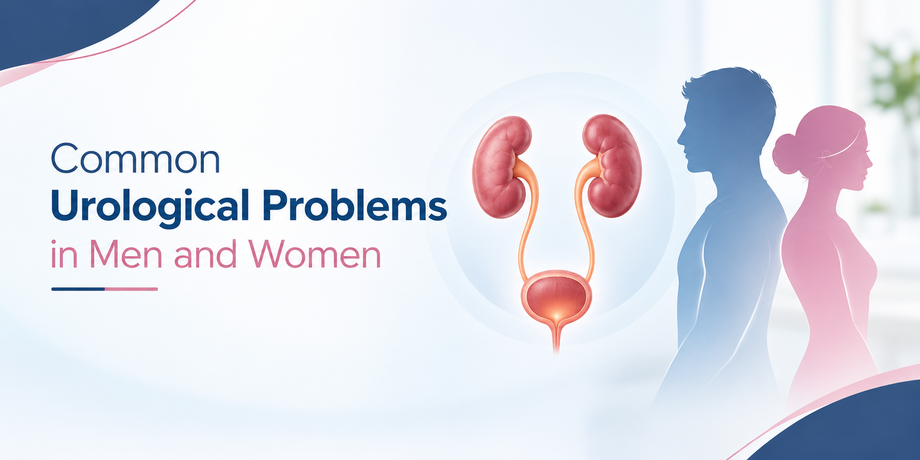
Urological problems can affect people of all ages and may interfere with daily activities, sleep, and overall well-being. These conditions involve the kidneys, bladder, ureters, urethra, and other parts of the urinary system. While some problems are temporary, others require proper medical evaluation and ongoing care. Consulting an experienced Urologist in Jaipur can help identify the cause of symptoms and determine an appropriate treatment plan. Understanding common urological conditions in men and women is an important step towards maintaining urinary and reproductive health.
What Are the Common Urological Problems in Men and Women?
Although men and women share many urinary conditions, certain problems are more common in one gender due to anatomical and hormonal differences.
1. Urinary Tract Infections (UTIs)
Urinary tract infections occur when bacteria enter the urinary system. Women are more prone to UTIs because of their shorter urethra, but men can also develop these infections. Common symptoms include burning during urination, frequent urination, lower abdominal discomfort, and cloudy urine. Fever or pain in the back may indicate a more serious infection that needs prompt medical attention.
2. Kidney Stones
Kidney stones develop when minerals and salts form hard deposits inside the kidneys. They can cause severe pain in the back or side, blood in the urine, nausea, and difficulty passing urine. Small stones may pass naturally, while larger stones may require medical procedures. Adequate fluid intake and dietary adjustments can help reduce the risk of recurrence.
3. Benign Prostatic Hyperplasia (BPH)
Benign prostatic hyperplasia is a non-cancerous enlargement of the prostate gland that commonly affects older men. As the prostate enlarges, it may press against the urethra and obstruct urine flow. Symptoms include a weak stream, difficulty starting urination, frequent nighttime urination, and a feeling that the bladder has not emptied completely. Medical assessment helps determine the appropriate management.
4. Urinary Incontinence
Urinary incontinence refers to the involuntary leakage of urine. It can affect both men and women, although the underlying causes may differ. In women, pregnancy, childbirth, and menopause can contribute to weakened pelvic floor muscles. In men, prostate-related conditions or certain treatments may affect bladder control. Treatment depends on the cause and may include lifestyle changes, pelvic floor exercises, medication, or specialised procedures.
5. Erectile Dysfunction and Male Fertility Problems
Erectile dysfunction is the persistent difficulty in achieving or maintaining an erection suitable for sexual activity. It may be associated with diabetes, cardiovascular conditions, hormonal changes, stress, or certain medications. Male fertility problems may also arise from hormonal imbalances, varicocele, or abnormalities affecting sperm production. A urological evaluation can help identify contributing factors and guide further care.
6. Overactive Bladder and Painful Urination
Overactive bladder causes a sudden, urgent need to urinate, sometimes accompanied by leakage and frequent nighttime visits to the bathroom. Painful urination may result from infections, inflammation, or other urinary conditions. Persistent symptoms should not be ignored, as an accurate diagnosis is essential for effective treatment.
When Should You Consult a Urologist?
Occasional urinary changes may not always indicate a serious condition, but persistent or recurring symptoms deserve medical attention. Consider consulting a specialist if you experience:
-
Burning or pain during urination.
-
Blood in the urine, even without pain.
-
Frequent urination or difficulty emptying the bladder.
-
Repeated urinary tract infections.
-
Severe pain in the back, side, or lower abdomen.
-
Problems with erections or male fertility.
Seek urgent medical care if you cannot pass urine, have severe pain with fever, or experience other signs of a serious infection.
Diagnosis and Treatment of Urological Conditions
Urological care begins with a review of symptoms, medical history, and physical examination when appropriate. Depending on the suspected condition, investigations may include urine tests, blood tests, ultrasound, uroflowmetry, or other specialised examinations.
Treatment varies according to the diagnosis. It may involve medication, lifestyle modifications, minimally invasive procedures, or surgery. Drinking sufficient water, maintaining a healthy weight, managing diabetes, and avoiding unnecessary delays in seeking care can support urinary health. However, treatment should always be tailored to individual needs rather than relying on self-medication.
For patients seeking a Urologist in Mansarovar Jaipur, choosing a specialist who evaluates symptoms carefully and explains suitable treatment options can make the care process more informed and comfortable.
Conclusion
Urological problems can affect both men and women, from urinary tract infections and kidney stones to bladder control difficulties and prostate conditions. Recognising symptoms early and seeking appropriate medical advice can help prevent complications and improve quality of life. For professional evaluation and personalised urological care, patients can approach ETERNA-Women & Urology Clinic, where Dr. Sanjay K. Binwal provides care for a range of urological conditions. Timely assessment and the right treatment plan can support better long-term urinary health.
Frequently Asked Questions
1. What are the most common urological problems in women?
Common problems include urinary tract infections, urinary incontinence, overactive bladder, kidney stones, and bladder discomfort. Recurrent symptoms should be evaluated to identify the cause and appropriate treatment.
2. Which urological problems commonly affect men?
Men may experience kidney stones, prostate enlargement, urinary infections, erectile dysfunction, male infertility, and bladder control problems. The likelihood of certain conditions increases with age.
3. When should I visit a urologist?
You should seek a urological evaluation for persistenat urinary symptoms, blood in the urine, recurrent infections, kidney stone symptoms, difficulty passing urine, or concerns involving male sexual or reproductive health.
4. Can urological problems be prevented?
Some conditions can be reduced through adequate hydration, good urinary hygiene, healthy lifestyle habits, and management of underlying medical conditions. However, not every urological problem is preventable, and regular medical advice is important when symptoms occur.


Comments
Post a Comment