How Much Water Should You Drink to Prevent Kidney Stones?
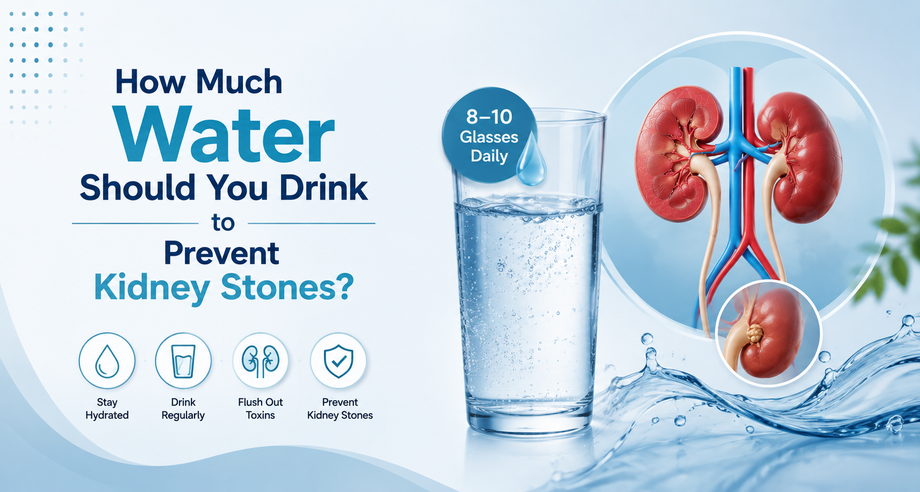
Drinking enough water is one of the most important lifestyle measures for reducing the risk of kidney stones. However, there is no single fluid target that works for everyone. A Kidney Stone Specialist in Jaipur can help you understand how much fluid you may need based on your medical history, kidney function, climate, activity level, and previous stone type.
Kidney stones develop when certain substances in urine become concentrated and form crystals. Adequate hydration helps dilute urine, which can reduce the concentration of stone-forming substances. For people living in hot climates or those who sweat frequently, maintaining adequate hydration can be particularly important.
How Does Water Help Prevent Kidney Stones?
When you drink enough fluids, your kidneys produce more dilute urine. This can make it harder for minerals and salts to become concentrated enough to form stones.
The goal is not simply to drink water occasionally throughout the day. Consistent hydration helps maintain urine dilution over time. If your urine becomes very concentrated, the risk of crystal formation may increase, particularly if you already have factors that make you prone to kidney stones.
A practical sign of hydration is urine color. Pale yellow urine generally suggests better hydration, while consistently dark yellow urine may indicate that you need more fluids. However, urine color can be affected by medicines, supplements, and other factors, so it should not be the only measure you use.
How Much Water Should You Drink Every Day?
For many adults, drinking enough fluid to produce around 2 to 2.5 litres of urine per day is commonly recommended for kidney stone prevention. Because some fluid is lost through sweating, breathing, and other processes, the amount you need to drink may be higher than the amount of urine produced.
Your individual requirement can vary significantly. You may need more fluids if you:
- Live in a hot climate
- Exercise or work outdoors
- Sweat heavily
- Have previously experienced kidney stones
- Have a diet that increases stone risk
Instead of following a rigid water target without medical advice, discuss your fluid needs with a Kidney Stone Specialist in Jaipur, especially if you have kidney, heart, or other medical conditions that affect fluid intake.
Should You Drink More Water in Summer?
Yes, hot weather can increase fluid loss through sweating. This can make it easier to become dehydrated and produce more concentrated urine.
People who are physically active or spend considerable time outdoors may need to increase their fluid intake during hot weather. Rather than waiting until you feel thirsty, try to drink fluids regularly throughout the day.
However, excessive water intake is not necessarily better. Drinking extremely large quantities in a short period can be harmful. The right amount depends on your body's needs and your medical condition.
Is Water Better Than Other Drinks?
Plain water is generally one of the best choices for maintaining hydration. You can also obtain fluids from certain foods and other beverages, but some drinks may contain large amounts of sugar, sodium, or other ingredients that may not be ideal for overall health.
Try to limit:
- Sugary soft drinks
- Excessively sweetened beverages
- High-sodium packaged drinks
- Excessive alcohol
If you have a history of particular types of kidney stones, your doctor may recommend additional dietary changes. Do not make major dietary restrictions without understanding the type and cause of your stones.
Does Lemon Water Help Prevent Kidney Stones?
Citrus beverages may provide citrate, a substance that can help reduce the formation of certain calcium-based kidney stones. Lemon juice is a commonly used source of dietary citrate.
However, lemon water should not be considered a replacement for adequate overall fluid intake or medical treatment. Adding excessive sugar can reduce the health benefits of a beverage.
If you have recurrent stones, a Kidney Stone Specialist in Jaipur can assess your stone type and determine whether dietary citrate or other nutritional changes may be beneficial.
Can Dehydration Increase Kidney Stone Risk?
Yes. Dehydration reduces urine volume and makes urine more concentrated. This can increase the likelihood that stone-forming substances will crystallize.
Signs of dehydration may include:
- Dark-colored urine
- Dry mouth
- Increased thirst
- Fatigue
- Headache
- Reduced urination
Severe dehydration can become a medical concern, particularly in people with existing health conditions. Maintaining regular fluid intake is therefore an important part of kidney stone prevention.
What About Hydration During Exercise?
Physical activity increases fluid loss through sweating. If you exercise regularly, especially outdoors in hot weather, replace fluids at appropriate intervals.
Rather than drinking a very large amount immediately after exercising, spread your fluid intake throughout the day. People who have kidney stones or other medical conditions should discuss exercise and hydration requirements with their doctor.
Can Water Prevent All Kidney Stones?
No. Hydration can significantly support prevention, but it cannot eliminate every risk factor. Kidney stone formation can also be influenced by genetics, diet, obesity, certain medical conditions, medications, and the chemical composition of the urine.
If you have experienced multiple stones despite adequate hydration, further evaluation may be helpful. A specialist may recommend urine tests, blood tests, imaging, or analysis of a passed or removed stone.
Does Hydration Help With Other Urological Conditions?
Adequate hydration supports normal urinary function, but it is not a treatment for every urinary condition. For example, patients experiencing painful urination, pelvic discomfort, frequent urination, or other symptoms may require evaluation for conditions such as prostatitis.
If you are looking for Prostatitis Treatment in Jaipur, it is important to consult a qualified urologist rather than relying on increased water intake alone. Prostatitis can have different causes, and treatment depends on the underlying condition and symptoms.
A Urocare Specialist in Jaipur can assess persistent urinary or prostate-related symptoms and recommend appropriate diagnostic tests and treatment when necessary.
When Should You Consult a Kidney Stone Specialist?
You should seek specialist evaluation if you experience severe side or back pain, blood in the urine, repeated kidney stones, painful urination, persistent urinary symptoms, fever, chills, or difficulty passing urine.
A Kidney Stone Specialist in Jaipur can identify the possible cause of your symptoms and determine whether you need observation, medication, dietary changes, or a procedure. If you have recurring urinary or prostate symptoms, a Urocare Specialist in Jaipur can also help evaluate the underlying problem.
Frequently Asked Questions
How much water should I drink to prevent kidney stones?
Many stone-prevention guidelines focus on producing approximately 2 to 2.5 litres of urine daily. The actual amount of fluid required to achieve this varies by person, climate, diet, and activity level.
Is drinking too much water harmful?
Yes. Excessive water intake, particularly in a short period, can cause dangerously low blood sodium levels. Follow a personalized fluid recommendation if you have kidney, heart, or other medical conditions.
Can lemon water prevent kidney stones?
Lemon juice contains citrate, which may help prevent certain types of stones. However, it should complement—not replace—adequate hydration and medical advice.
Does dehydration cause kidney stones?
Dehydration can increase kidney stone risk because it reduces urine volume and makes urine more concentrated.
Can hydration treat prostatitis?
Water may help maintain normal hydration, but it does not treat all causes of prostatitis. Patients seeking Prostatitis Treatment in Jaipur should receive an appropriate medical evaluation.
When should I see a specialist?
If you have recurrent stones, severe pain, blood in the urine, fever, urinary obstruction, or persistent urinary symptoms, consult a Urocare Specialist in Jaipur or qualified urologist for appropriate evaluation.


Comments
Post a Comment