What Are the 7 Warning Signs of Kidney Stones?
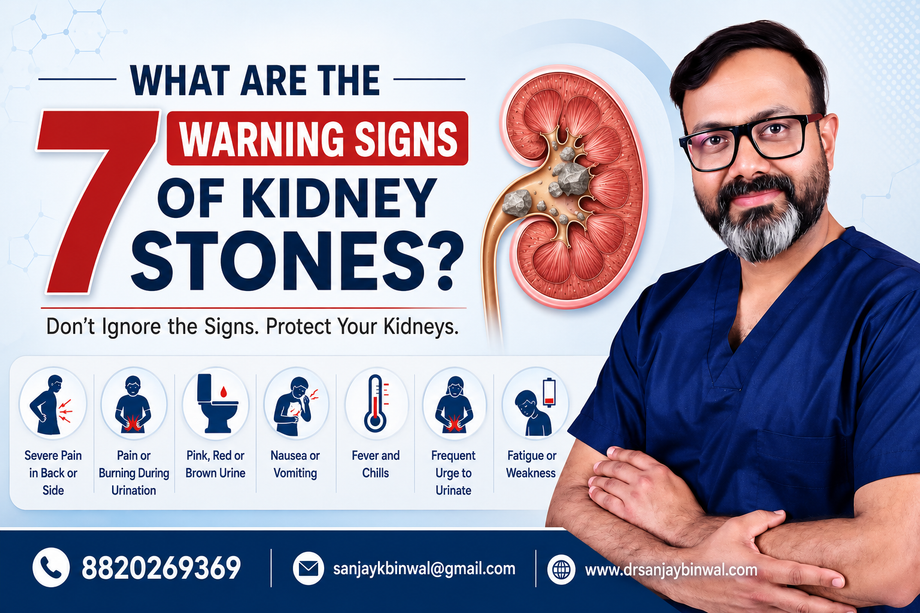
Kidney Stone Treatment in Jaipur is essential for people who experience persistent urinary symptoms or severe pain that may indicate kidney stones. Kidney stones are hard mineral deposits that form inside the kidneys and can cause intense discomfort if left untreated. Recognizing the early warning signs helps prevent complications and allows timely medical care. If you notice unusual symptoms related to your urinary system, seeking expert evaluation can make a significant difference in your recovery.
What Are Kidney Stones?
Kidney stones develop when minerals and salts in the urine crystallize and stick together. These stones vary in size and may remain in the kidney or travel through the urinary tract. Smaller stones often pass naturally, while larger stones can block urine flow and require medical treatment.
1. Severe Pain in the Back or Side
One of the most common warning signs of kidney stones is sudden, intense pain in the lower back, side, or below the ribs. The pain may come in waves and become more severe as the stone moves through the urinary tract. It may also spread to the lower abdomen or groin.
Ignoring persistent pain can delay Kidney Stone Treatment in Jaipur and increase the risk of complications.
2. Pain or Burning During Urination
A kidney stone entering the ureter or approaching the bladder can cause pain or a burning sensation while passing urine. Many people mistake this symptom for a urinary tract infection, making proper diagnosis essential.
3. Blood in the Urine
Blood in the urine is another important warning sign. The urine may appear pink, red, or brown because the stone can irritate the lining of the urinary tract. Even a small amount of blood should never be ignored, as it requires immediate medical evaluation.
4. Frequent Urge to Urinate
A kidney stone near the bladder can create a constant urge to urinate, even when only a small amount of urine is passed. This symptom often interferes with daily activities and may indicate that the stone is moving through the urinary tract.
If you experience this symptom along with pain or blood in the urine, consult an experienced Urologist in Jaipur for an accurate diagnosis and appropriate treatment.
5. Nausea and Vomiting
Kidney stones can trigger nausea and vomiting because the kidneys and digestive system share nerve connections. Severe pain caused by a stone often affects the stomach, making patients feel sick or lose their appetite.
Prompt consultation with a qualified Urologist in Jaipur can help identify the underlying cause and prevent further complications.
6. Fever and Chills
Fever accompanied by chills may indicate that a kidney stone has caused a urinary tract infection. This situation requires urgent medical attention because untreated infections can spread to the kidneys and bloodstream.
Never ignore fever if it occurs with symptoms of kidney stones.
7. Difficulty Passing Urine
A larger kidney stone may partially or completely block the urinary tract, making it difficult to urinate. Some patients notice a weak urine stream or an inability to empty the bladder completely. This is a medical emergency that requires immediate evaluation.
Early Kidney Stone Treatment in Jaipur helps relieve obstruction, reduce pain, and protect kidney function.
How Can Kidney Stones Be Diagnosed?
A urologist may recommend several tests, including:
- Urine examination
- Blood tests
- Ultrasound
- CT scan
- X-ray (in selected cases)
These investigations help determine the size, location, and type of kidney stone, allowing the doctor to recommend the most suitable treatment.
Treatment Options for Kidney Stones
Treatment depends on the size and location of the stone. Common options include:
- Increased fluid intake
- Pain-relieving medications
- Medical expulsive therapy
- ESWL (Shock Wave Lithotripsy)
- Ureteroscopy (URS)
- PCNL for larger kidney stones
- Minimally invasive laser stone removal
Modern techniques enable faster recovery with minimal discomfort for most patients.
Tips to Reduce the Risk of Kidney Stones
- Drink plenty of water every day.
- Limit excess salt intake.
- Reduce foods high in oxalates if advised.
- Maintain a healthy body weight.
- Avoid prolonged dehydration.
- Follow your doctor's dietary recommendations.
- Schedule regular follow-ups if you have a history of kidney stones.
Conclusion
Recognizing the warning signs of kidney stones can help you seek treatment before complications develop. Severe pain, blood in the urine, burning during urination, frequent urination, nausea, fever, and difficulty passing urine should never be ignored. Early diagnosis improves treatment outcomes and helps preserve kidney health.
If you are experiencing any of these symptoms, Dr Sanjay K binwal Urologist provides comprehensive evaluation and advanced treatment options for kidney stone disease. Dr Sanjay K binwal Urologist focuses on accurate diagnosis, minimally invasive procedures, and personalized patient care. Consulting Dr Sanjay K binwal Urologist at the earliest can help you receive timely Kidney Stone Treatment in Jaipur from an experienced Urologist in Jaipur, ensuring the best possible outcome for your urinary health.


Comments
Post a Comment